
Staircases are often one of the first features visible when entering a home, yet their design potential is frequently overlooked. Leaving wooden stairs bare can create a slick surface and generate loud footstep noise. Installing a tailored stair runner solves both issues, blending comfortable underfoot safety with high-end interior design.
Balancing Aesthetic Appeal with Family Safety
Uncovered hardwood treads can be slick, presenting a hazard for young children, aging family members, and pets. A professionally fitted carpet runner supplies immediate traction, reducing the risk of slips and falls without entirely concealing the fine woodwork of your staircase.
Noise reduction is another major benefit. Bare wooden steps echo sound throughout hallways and adjacent living areas every time someone moves between floors. A carpet runner, backed by dense cushioning, absorbs impact sound and dampens structural echoes, resulting in a quieter home.
Finding the Ideal Fiber: Wool vs. Performance Synthetics
Selecting the proper carpet fiber determines how well your stair runner maintains its appearance over time. Because stairs concentrate heavy foot traffic on small surface areas, durability is key.
Wool: The classic standard for stair runners. Natural wool offers springy resilience, inherent stain resistance, and exceptional durability under heavy footfalls. Its dense fibers bounce back quickly from pressure.
Nylon: High-performance nylon is incredibly tough, stain-resistant, and ideal for active, busy households. It maintains its structural loop or pile height extremely well on step edges.
Polypropylene / Triexta: Excellent options for budget-conscious homeowners or areas prone to heavy dirt, offering strong stain resistance and simple spot cleaning.
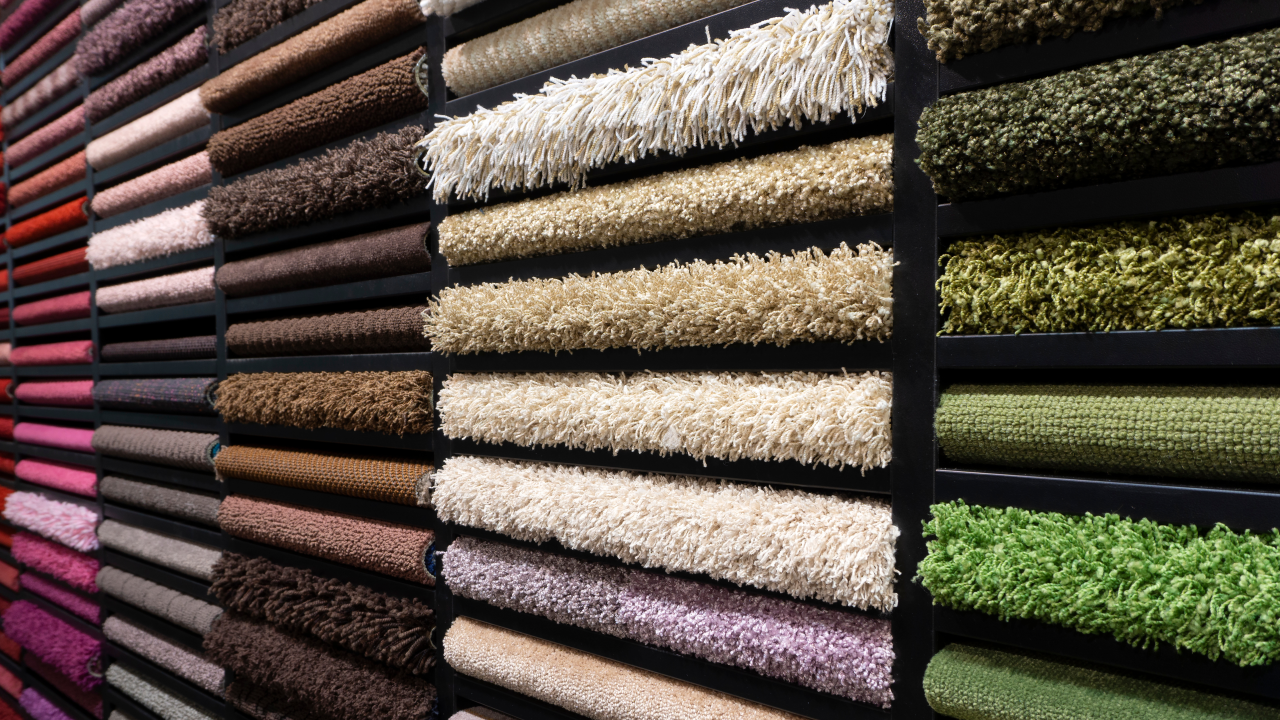
Avoid deep, high-pile shag carpets on stairs, as excessive pile height creates an unstable footing surface along tread edges.
Sizing, Margins, and Visual Proportions
Achieving a custom, tailored look comes down to correct proportions. A stair runner should never cover the entire width of the tread; exposed wood on either side provides visual framing.
As a general design rule, leave approximately 3 to 4 inches of exposed wood tread on both sides of the runner for standard staircase widths (around 36 inches wide). For grander, wider staircases, expanded wood margins of 5 to 6 inches balance proportions effectively. Keep these margins completely uniform from the top landing all the way down to the bottom step.
Edge Finishes and Decorative Rods
The way a runner is finished along its sides contributes greatly to its overall style. Custom edge finishes allow you to tailor the final look:
Binding Tape: A clean fabric tape border sewn along the edges of the carpet runner. You can choose a matching color for a subtle appearance or a contrasting shade for a bold, framed look.
Serging: A continuous yarn stitch wrapped tightly around the carpet edge, delivering a refined look that emulates hand-woven rugs.
Stair Rods: Metal decorative rods installed at the base of each riser where it meets the tread. Available in brass, brushed nickel, or oil-rubbed bronze, stair rods add classic detail to traditional or transitional interiors.
Installation Precision for Lasting Wear
Proper installation ensures your runner stays centered, taut, and secure for years. Installers utilize specialized techniques such as the "Waterfall" method (where the carpet drops straight down from the tread edge to the next step) or the "Cap and Band" method (where the carpet hugs the underside of the nose tightly for a tailored look).
A thin, high-density rubber pad placed beneath the runner adds underfoot cushioning without raising the carpet height excessively. Professional stretching keeps the fabric tightly secured, preventing dangerous loosening, shifting, or rippling along high-traffic treads over time.